How to Reduce Respiratory Fatigue: An In-Depth Guide to Improving Lung Capacity

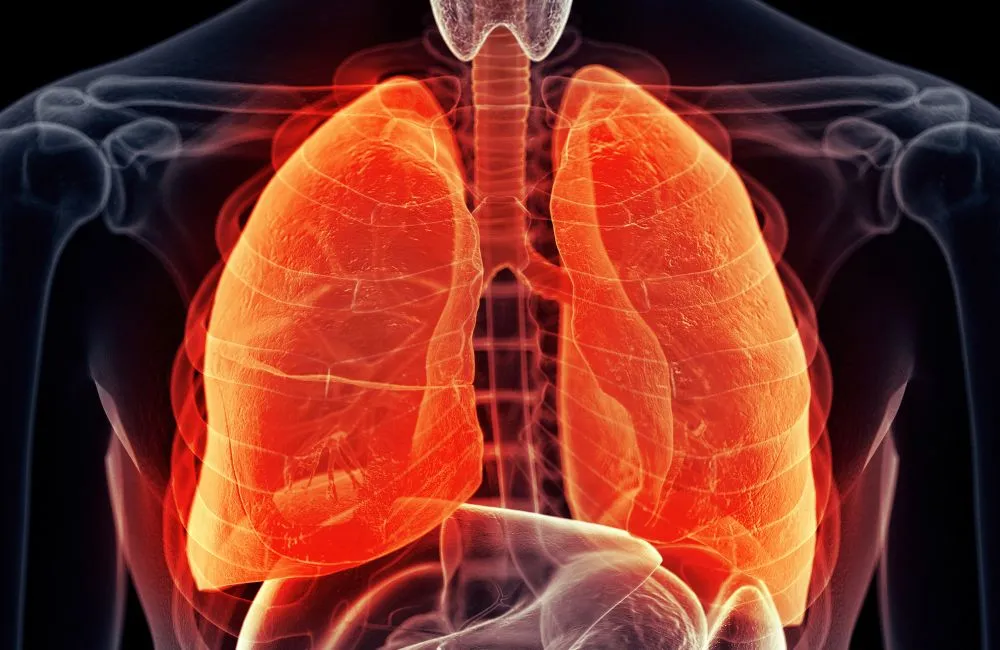
If you've noticed that daily tasks like climbing stairs, walking long distances, or keeping up with your grandchildren are feeling more exhausting than they used to, you are not alone. Millions of people struggle with persistent respiratory fatigue and often attribute it simply to "getting older."
While many search for how to improve breathing through standard exercises, researchers are now pointing to a different underlying biological factor that impacts our daily respiratory stamina.
The Hidden Factor: Airway Proteins
Understanding why your breathing feels heavier starts with looking inside the airways. According to recent observations, certain airway proteins can build up over time. These proteins create microscopic networks that may restrict optimal airflow, trap mucus, and contribute to the feeling of a tight chest.
When your lungs have to work twice as hard to pull in oxygen through these restricted passages, your body diverts energy. This is why respiratory fatigue often comes paired with general physical exhaustion and even "brain fog."
4 Natural Ways to Support Healthy Lungs
Managing respiratory fatigue requires a consistent routine to support your body's natural clearing processes. Here are some adjustments you can make:
- Stay Hydrated: Drinking plenty of water helps thin the mucus in your lungs, making it easier for your body to clear out trapped particles naturally.
- Gentle Daily Movement: Activities like light walking or stretching improve blood flow and encourage deeper breathing without overstraining your lungs.
- Check Indoor Air Quality: Dust and allergens inside your home can force your immune system to overreact. Ensure good ventilation and consider an air purifier.
- Focus on Posture: Slouching compresses your lungs. Sitting and standing up straight allows your diaphragm to fully expand, which can instantly increase lung capacity.
The "High-Altitude" Practice

While lifestyle changes are important, researchers have been increasingly interested in populations living in high-altitude environments. Despite facing harsh conditions and wood smoke, certain mountain communities maintain remarkably clear airways well into old age.
Studies suggest that their respiratory resilience is linked to specific traditional practices and local botanical compounds that help their bodies naturally manage the buildup of airway proteins and support long-term lung function.
🧩 Final Thoughts: You Are Not Alone
If you've found yourself searching for things like:
- "How to reduce respiratory fatigue"
- "How to improve breathing naturally"
- "What to take for lung health"
...please know that millions of people ask these exact same questions every month.
And thousands have successfully reclaimed their energy and mobility after discovering the truth about this common "beloved" plant and how it was silently impacting their daily lives.
A close friend of mine ignored a nagging cough and heavy chest congestion for weeks. She assumed it was seasonal air or a lingering cold. Then one night, her breathing became so strained she had to be rushed to the hospital. Imaging showed her airways were severely inflamed and packed with thick mucus that her body couldn’t clear on its own. She needed urgent treatment just to stabilize her breathing.
It was a frightening reminder of how quickly lung issues can escalate when early warning signs are brushed aside. Pulmonary experts say persistent mucus, wheezing, and chest tightness are often signals that your airways need support not something to “wait out.” That’s why some specialists are now encouraging a simple daily breathing practice designed to: Help loosen stubborn mucus.
You don't have to accept this as your "new normal." Click the button below to learn a simple home-based method that you can do from the comfort of your own house to start supporting your respiratory stamina today.

(Please allow up to 5 seconds for the video to load)
The information on this website is intended for informational purposes only and should not replace advice from a qualified medical professional. We strongly encourage you to consult your physician before making any lifestyle changes and discuss them thoroughly. If you have any medical concerns or conditions, please seek guidance from your doctor.
It is advisable to conduct your own research and confirm details with multiple sources when exploring health-related topics. Always consult with your healthcare provider to carefully evaluate any protocols or recommendations mentioned on this website or associated with the product promoted here.
This site's content is not a substitute for professional medical advice, diagnosis, or treatment. Always seek advice from a licensed healthcare provider for any health concerns.